Key Components when Creating an High-Performance Commercial Sound Distribution Solution
Wiki Article
Developing an effective professional audio broadcast system is vital for any organization that leans on sound to elevate the consumer experience. This system allows businesses to provide music, announcements, and other audio content to different areas within a premises. Fundamental components in designing a high-performing audio distribution system include an awareness of sound quality, suitable equipment selection, well-planned layout planning, and consistent maintenance practices. These elements work together to maintain that the audio system fulfills the unique needs of the space and the audience.
Sound quality is one of the most key elements of an audio delivery system. Premium sound elevates the listening experience for audiences and can create a pleasant atmosphere. Parameters such as speaker models, amplifier units, and room resonance all affect in achieving crisp and smooth sound. Facilities should evaluate installing professional-grade speakers that are suitable for their space. For example, exterior areas might utilize weather-resistant speakers, while interior spaces may take advantage of immersive audio solutions. Making sure that all parts are suitable and harmoniously tuned is essential for peak performance.
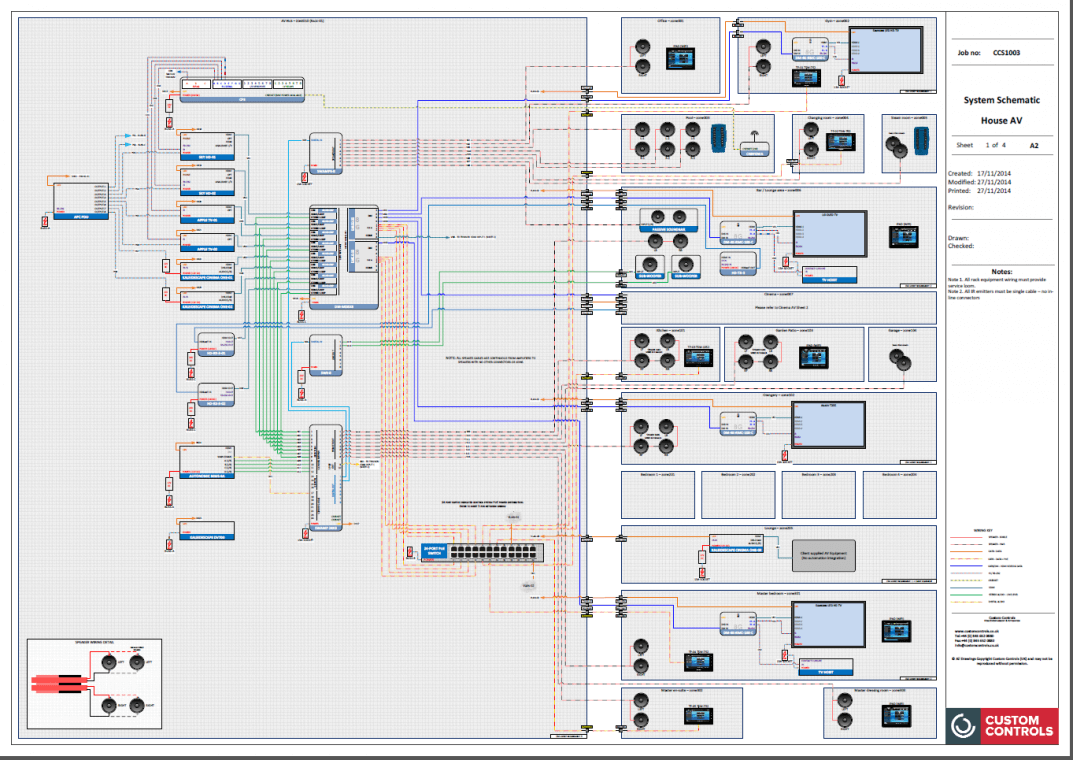
The evaluation of audio systems has a major impact in the efficiency of the audio network. This involves choosing the right mixing consoles, sound enhancers, and sound sources. Organizations should assess their unique audio requirements before approving buying decisions. For instance, a retail store might benefit from different equipment than a food establishment or event hall. Additionally, implementing modern solutions can boost capabilities. Systems that support off-site management or syncing with mobile devices can deliver flexibility in adjusting audio streams and presentation switchers for businesses volume levels throughout separate areas.
Mapping out the design of the audio delivery system is another important component. A well-thought-out configuration secures that sound is consistently delivered across all sections without any dead spots or unwanted feedback in certain locations. This includes careful placement of speakers and analysis of how sound propagates in each space. Elements such as dimensions, form, and materials can affect audio clarity. Implementing an sound assessment can help find the ideal areas for speakers to achieve clear sound reach throughout the premises.
Ultimately, regular maintenance is necessary to keep an audio broadcast system performing effectively. Maintenance involves periodic testing on devices reliability, correcting any malfunctions promptly, and updating firmware when needed. Instructing operators on how to control the system correctly can also avoid system failures and maximize the operational life of the technology. By prioritizing maintenance, facilities can maintain high-quality audio experience and eliminate disruptions that could negatively impact the customer satisfaction.
In summary, creating an efficient professional audio broadcast system demands meticulous analysis click this link now of sound performance, component sourcing, design organization, and regular upkeep. When these components are handled strategically, companies can enhance their environment with superior audio systems for their visitors. Installing a high-performing audio system not only optimizes message delivery but also creates a welcoming environment that can increase customer experience.